
 0
0
 0
0
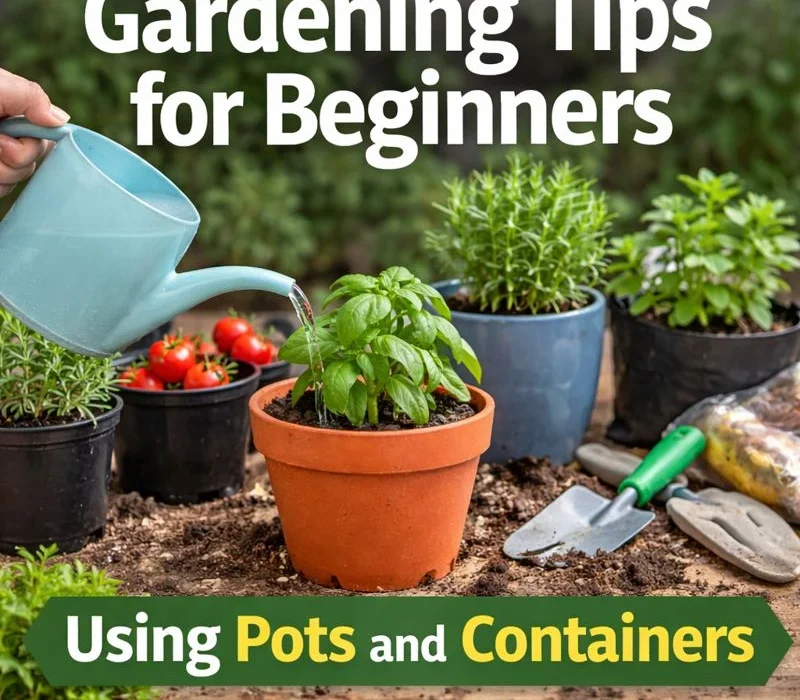
Gardening doesn’t require a big backyard, expensive tools, or years of experience. In fact, gardening tips for beginners using pots and containers have become increasingly popular as more people live in apartments, small homes, or urban areas. Container gardening offers a simple, flexible, and beginner-friendly way to grow plants successfully, even if you’ve never gardened before.
If you’ve ever struggled with plants dying too quickly, overwatering, or not knowing where to start, container gardening is the perfect solution. With the right pots, soil, plants, and care routine, anyone can grow healthy vegetables, herbs, or flowers right at home.
This guide will walk you through everything you need to know, from choosing the right containers to avoiding common beginner mistakes, so you can start gardening with confidence.
Why Container Gardening Is Ideal for Beginners
Container gardening is one of the easiest ways to get started with gardening, especially for beginners.
Key Benefits of Gardening in Pots and Containers
- Low commitment: You can start with just one or two pots
- Easy control: Soil quality, water, and nutrients are easier to manage
- Perfect for small spaces: Ideal for balconies, patios, terraces, and windowsills
- Fewer weeds and pests: Containers reduce many common garden problems
- Move plants easily: Pots can be repositioned for sunlight or weather protection
Unlike ground gardening, container gardening lets beginners learn through observation without risking a large outdoor setup.
Choosing the Right Pots and Containers
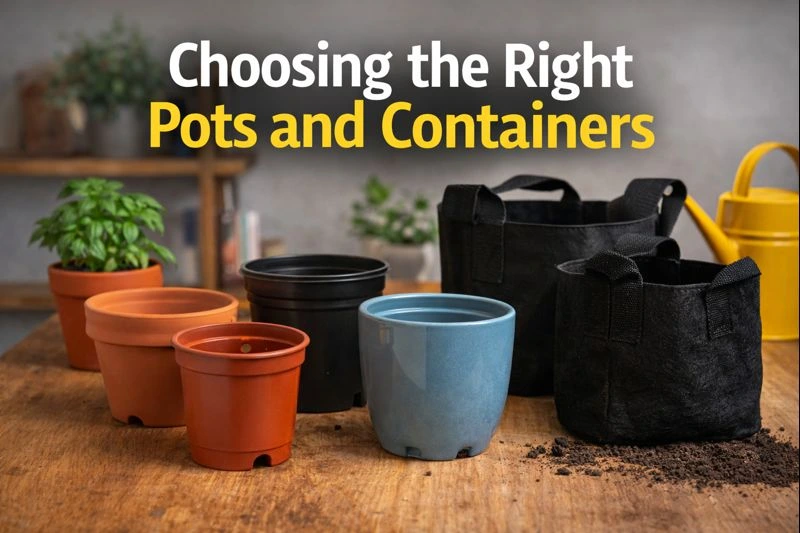
Selecting the right container is one of the most important steps in beginner gardening.
Best Pot Materials for Beginners
Each pot material has advantages and drawbacks:
- Plastic pots: Lightweight, affordable, and retain moisture well
- Terracotta (clay) pots: Breathable but dry out faster
- Ceramic pots: Decorative but heavier
- Fabric grow bags: Excellent drainage and root health
For beginners, plastic pots or grow bags are often the easiest to manage.
Choosing the Correct Pot Size
Pot size directly affects plant health.
General beginner guidelines:
- Small herbs: 6–8 inches deep
- Leafy greens: 8–10 inches deep
- Vegetables like tomatoes or peppers: 12–18 inches deep
Using pots that are too small is one of the most common beginner mistakes.
Importance of Drainage Holes
Drainage is essential. Without it, water collects at the bottom, leading to root rot.
Beginner tips:
- Always choose pots with drainage holes
- If holes are missing, drill them or add a drainage layer
- Avoid placing pots directly on flat surfaces without airflow
Beginner Container Gardening Setup Table
| Item | Beginner Choice | Cost Range | Notes |
| Pots | Plastic or grow bags | Low | Lightweight |
| Soil | Ready potting mix | Low–Medium | Easy to use |
| Plants | Herbs or leafy greens | Low | Fast growth |
| Fertilizer | Liquid organic | Low | Beginner safe |
| Tools | Hand trowel, gloves | Low | Basic only |
This table helps beginners plan their first container garden easily.
Best Soil Mix for Container Gardening
One major mistake beginners make is using regular garden soil in pots. Garden soil becomes compacted in containers and restricts root growth.
What Soil Works Best for Containers?
Use a quality potting mix, which typically includes:
- Coco peat or peat moss (moisture retention)
- Perlite or vermiculite (aeration)
- Organic compost (nutrients)
For beginners, store-bought potting mix is the safest and easiest option.
DIY Potting Mix (Beginner-Friendly)
If you prefer a DIY mix:
- 40% coco peat
- 40% compost
- 20% perlite or sand
This blend offers good drainage, nutrients, and airflow.
Easy Plants for Beginners to Grow in Pots
Starting with the right plants increases your chances of success.
Best Vegetables for Container Gardening
Beginner-friendly vegetables include:
- Tomatoes (cherry varieties are easiest)
- Chillies and peppers
- Spinach and lettuce
- Radishes
These grow quickly and adapt well to containers.
Best Herbs for Pots
Herbs are ideal for beginners because they require minimal space.
Top choices:
- Basil
- Mint (always grows in separate pots)
- Coriander
- Parsley
Beginner-Friendly Flowers for Containers
Flowers add color and confidence:
- Marigolds
- Petunias
- Geraniums
- Zinnias
These are hardy and forgiving for new gardeners.
How to Water Plants in Pots Correctly (Beginner-Friendly Guide)
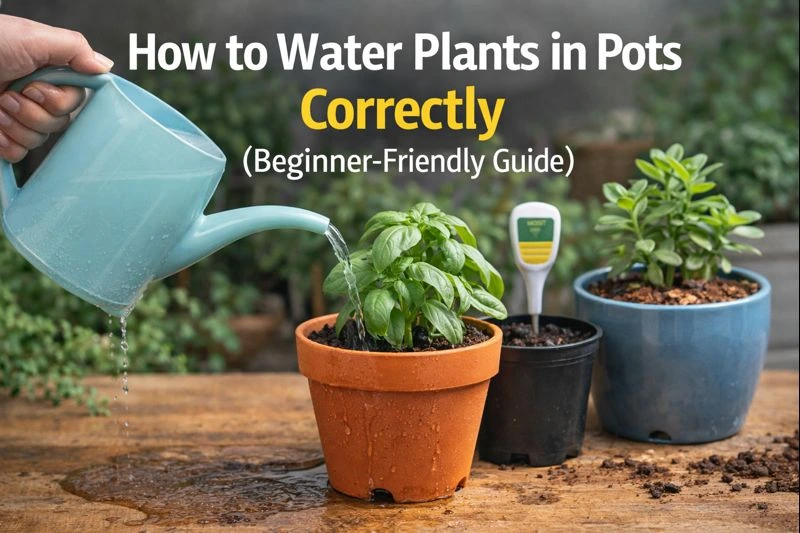
Watering is where most beginners struggle, especially with container gardening. Unlike plants grown in the ground, potted plants dry out faster and rely entirely on you for consistent moisture. Understanding when, how, and how much to water is essential for healthy growth.
Common Watering Mistakes Beginners Make
- Overwatering due to daily watering habits, which leads to root rot and fungal issues
- Underwatering during hot or windy weather, causing wilting and stress
- Watering at the wrong time of day, especially during peak afternoon heat
- Using pots without proper drainage, trapping water at the bottom
- Watering leaves instead of soil increases disease risk
In 2026, gardening experts emphasize that watering schedules should be based on soil moisture, not fixed routines.
Best Watering Practices for Container Plants
- Water only when the top 1–2 inches of soil feels dry
- Pour water slowly and evenly until it drains from the bottom
- Early morning is the best time to water, allowing plants to absorb moisture before the heat builds
- During extreme heat, check soil moisture twice a day
- Use room-temperature water to avoid shocking roots
Because containers dry faster than ground soil, consistency is more important than frequency.
Smart Watering Tips for Modern Container Gardening
- Use self-watering pots or moisture indicators for better control
- Add mulch or coco chips on top of the soil to reduce evaporation
- Elevate pots slightly to improve drainage and airflow
- Adjust watering frequency by season, less in winter, more in summer
These modern techniques help beginners reduce mistakes and improve plant health with less effort.
Why Proper Watering Matters
Correct watering:
- Promotes strong root development
- Prevents common plant diseases
- Improves nutrient absorption
- Reduces plant stress
Mastering watering is one of the fastest ways for beginners to see better results in container gardening.
Sunlight Requirements for Container Gardening
Plants need the right amount of sunlight to grow.
Understanding Sunlight Types
- Full sun: 6–8 hours daily (vegetables, flowering plants)
- Partial sun: 3–5 hours (herbs, leafy greens)
- Shade: Less than 3 hours (few plants thrive here)
Observe your balcony or terrace for a day to understand sunlight patterns.
Fertilizing Container Plants (Beginner Guide)
Plants grown in pots rely entirely on you for nutrients.
Why Fertilizer Is Important
Water drains nutrients out of containers faster than garden beds.
Beginner-Friendly Fertilizers
- Liquid organic fertilizer (easy to control)
- Compost tea
- Balanced NPK fertilizer
Fertilize lightly every 2–3 weeks to avoid burning roots.
Common Container Gardening Mistakes Beginners Make
Even simple gardening projects can fail if basic mistakes are repeated.
Most Common Beginner Errors
- Using pots without drainage
- Choosing the wrong plant for the pot size
- Overcrowding multiple plants in one container
- Ignoring sunlight requirements
- Overwatering out of fear
Avoiding these mistakes dramatically improves success rates.
Seasonal Gardening Tips for Containers
Summer Container Gardening Tips
- Water more frequently
- Use mulch to retain moisture
- Move pots away from harsh afternoon sun
Rainy / Monsoon Season Care
- Ensure proper drainage
- Elevate pots slightly
- Reduce watering frequency
Winter Container Gardening Basics
- Choose cold-tolerant plants
- Reduce watering
- Protect pots from frost
Simple Maintenance Tips for Healthy Container Plants
Maintaining container plants doesn’t take much time.
Basic maintenance includes:
- Removing dead leaves
- Pruning for better growth
- Checking for pests weekly
- Cleaning pots occasionally
A few minutes of care each week keeps plants healthy.
As your container plants grow, pests like aphids, spider mites, or fungus gnats may occasionally appear, especially in warm or humid conditions. Instead of using harsh chemicals, beginners should focus on safe and natural solutions. Our guide on how to use environmentally safe pest control at home explains simple, plant-friendly methods to protect your garden without harming beneficial insects or indoor air quality.
FAQs: Gardening Tips for Beginners Using Pots and Containers
The most common mistake first-time gardeners make is overwatering plants. Beginners often assume plants need daily watering, but excess water causes root rot and fungal issues, especially in pots. Using containers with proper drainage and watering only when the topsoil feels dry helps prevent this problem.
The 70/30 gardening rule suggests focusing 70% of your effort on preparation (choosing the right pots, soil, sunlight, and plant selection) and 30% on maintenance (watering, pruning, fertilizing). For beginners, a good setup matters more than constant attention and leads to healthier plants with less effort.
The 3-hour gardening rule recommends spending no more than 2–3 hours per gardening session, especially for beginners. This prevents burnout, reduces mistakes caused by rushing, and makes gardening more enjoyable. Short, regular sessions are more effective than long, tiring ones.
Beginner-friendly gardening tips include:
– Start with easy plants like herbs or leafy greens
– Use pots with proper drainage
– Choose a quality potting mix, not garden soil
– Water only when the soil is dry at the top
– Observe the sunlight before placing pots
Starting small and learning gradually leads to better results.
Do’s:
– Use the right pot size for each plant
– Provide adequate sunlight
– Water consistently but not excessively
– Use light fertilizers regularly
Don’ts:
– Don’t overcrowd plants in one pot
– Don’t ignore drainage holes
– Don’t use poor-quality soil
– Don’t rush plant growth with excess fertilizer
Following these simple rules helps beginners avoid common failures.
Conclusion: Start Small and Grow With Confidence
Starting a garden doesn’t have to be overwhelming. By following these gardening tips for beginners using pots and containers, you can enjoy healthy plants, fresh herbs, and even homegrown vegetables without stress.
Begin with just a few pots, observe how your plants respond, and learn as you go. Container gardening is flexible, forgiving, and perfect for building long-term gardening confidence.